NewsNews
News3 June 2019

UTU Tanzania team and four Tanzanian universities developing geospatial expertise to control risks posed by floods and climate change.

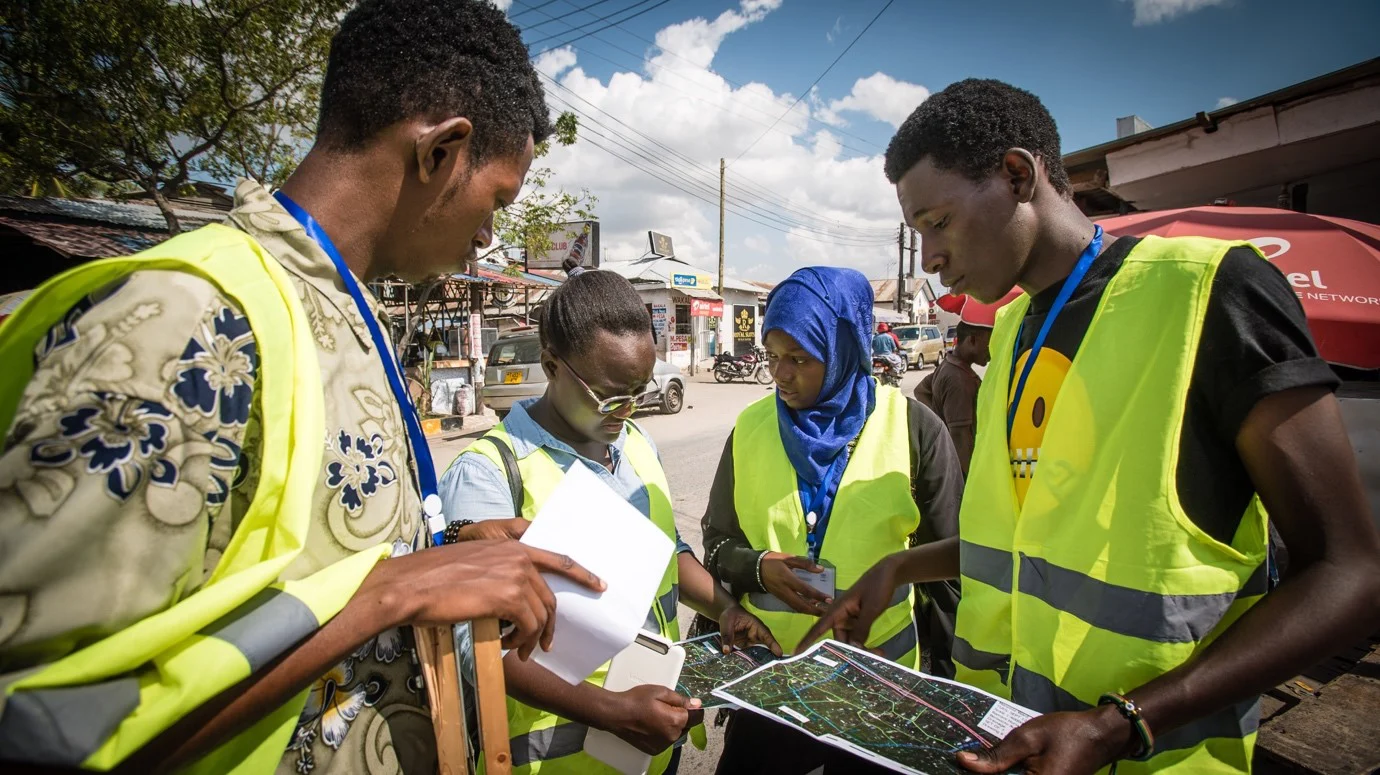
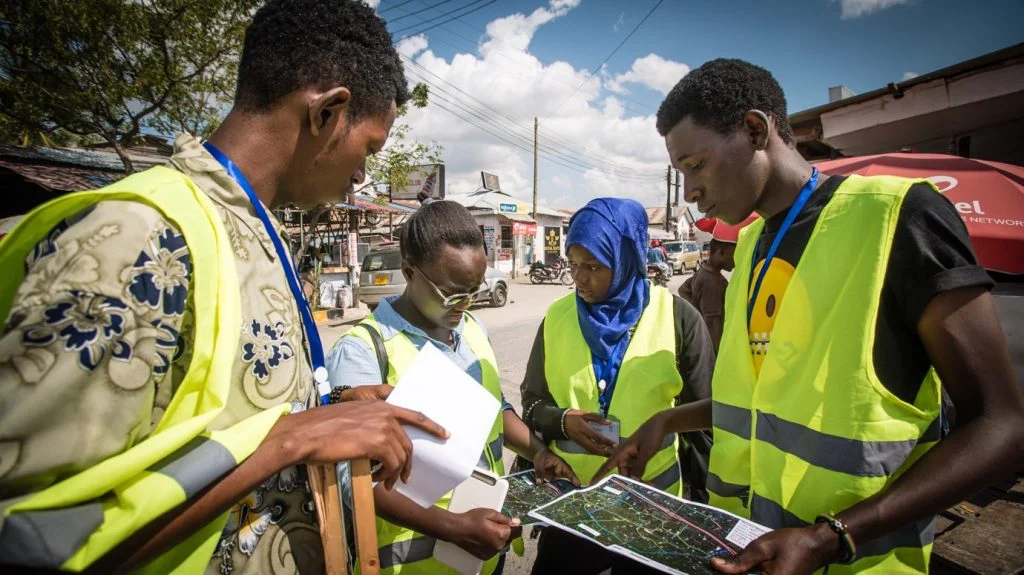
Students during their industrial training doing field work by collecting coordinate of the most flooded areas in Dar es Salaam using mobile phones (photo by Chris Morgen). In the Resilience Academy project (web page under construction) UTU Tanzania Team together with four Tanzanian universities is tackling the challenges faced by cities in Tanzania by developing […]

Resilience Academy

Photo: Resilience Academy
Students during their industrial training doing field work by collecting coordinate of the most flooded areas in Dar es Salaam using mobile phones (photo by Chris Morgen).

In the Resilience Academy project (web page under construction) UTU Tanzania Team together with four Tanzanian universities is tackling the challenges faced by cities in Tanzania by developing three components:

  1. Climate Risk Database using Geonode service
  2. Open-access education materials regarding the usage, analysis, and visualization of data contained in the Geonode
  3. Long-term vision for the Ramani Huria internship program. The project aims to increase data availability and geospatial expertise by education development.

These issues are crucial in Tanzanian cities which are especially vulnerable to the extreme phenomena caused by climate change and flooding due to population growth and weak urban planning.

The project is funded by the World Bank through the Tanzania Urban Resilience programme. The project is coordinated by the University of Turku and is realised by the Ardhi University, University of Dar es Salaam, Sokoine University of Agriculture and State University of Zanzibar in Tanzania.

For more information see the news bulletin from University of Turku.
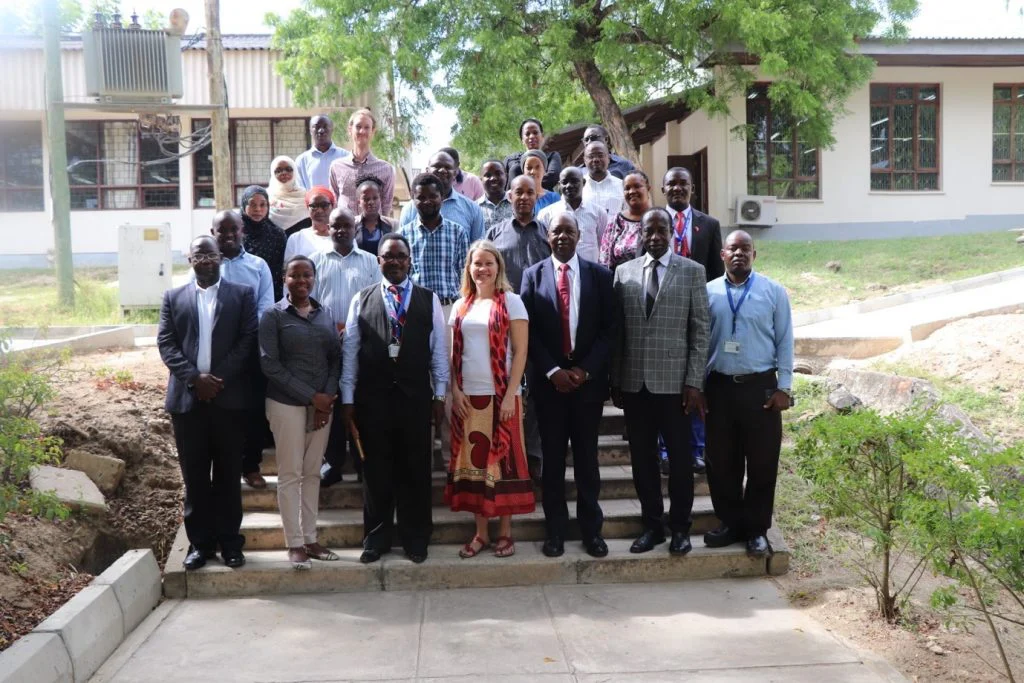
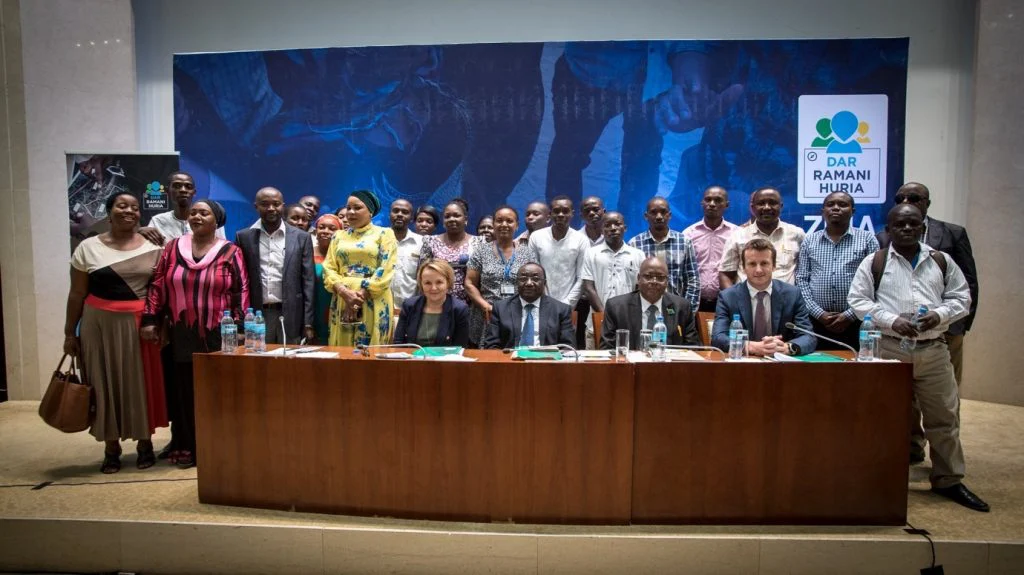
Group photo of all participants during the Kickoff of Resilience Academy 12 December 2018 (photo by Msilikale Msilanga).
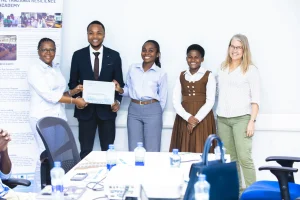
The world Bank signing the MoU with Ardhi University for Ramani Huria Internship Program (photo by Chris Morgen).
Share

Related articles

News30 Jun 2026

Building climate agency through geospatial and challenge-based learning – reflections of the Shape2Gether project

Authors: Niina Käyhkö, Sanna Mäki, Jukka Käyhkö   The Erasmus+ higher education cooperation project “Shape2Gether” (Shaping Innovations in Education for Sustainable Development: Contextualizing Geosciences, New Technologies, and Serious Games with Climate Change, 2024–2026) brought together seven university partners and one company from across Europe to transform education for sustainable development. The project aimed to integrate […]

Read more →
News, Training1 Apr 2026

Resilience Academy delivers four-day training on geospatial data collection, quality management, and sharing in the Climate Risk Database across two Tanzanian cities.

By Msilikale Msilanga, Amedeus Kimaro and Massoud Hamad In March 2026, the Resilience Academy conducted two rounds of a four-day training on Geospatial Data Collection, Data Quality Management and Sharing in the Climate Risk Database. The first round took place in Tanga from 9 to 12 March, and the second round followed in Mwanza from […]

Read more →
News9 Mar 2026

Shaping Together in Finland – Sharing the Shape2Gether Experiences in Turku

The Shape2Gether -project is about shaping innovations in education for sustainable development: contextualizing geosciences, new technologies, and serious games with climate change. If you wish to explore insights from the three summer schools that were organized during this project, you can find the Norway blog post here, the Malta blog post here, and the Germany […]

Read more →
News10 Jan 2026

85 students and alumni engaged in the 2025 Data Visualization Challenge to develop geovisualization solutions supporting urban water and climate resilience decision-making in Tanga and Mwanza.

By Msilikale Msilanga Young people develop the most robust skills when they engage in hands-on work on real-world problems. Resilience Academy organized another visualization challenge for 2025 as part of ProWA-SASA project, collaborating with partners like GIZ and ProWAS SASA Partners from Mwanza and Tanga cities. This initiative provided university students and recent graduates with […]

Read more →