
About
The Resilience Academy Approach
Future digital data production models supporting informed decision-making need to be more transformative - locally driven, low complexity, fit the purpose and context, and engage local talent so that decisions are reliable, owned locally, and made actionable over time.
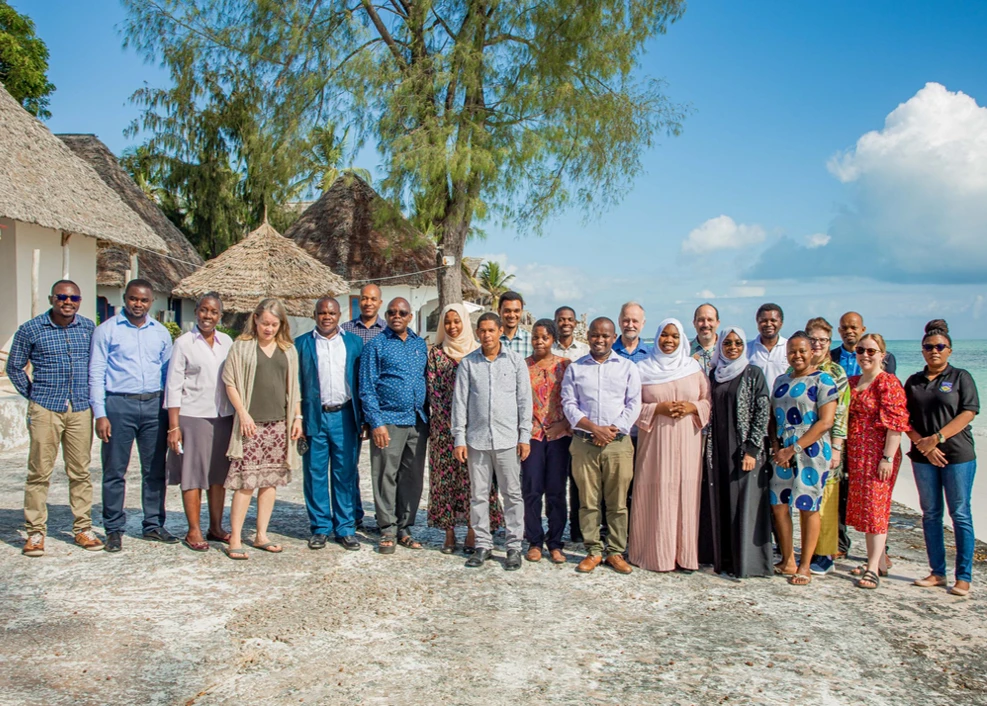
Our network
A partnership that keeps growing
Resilience Academy didn't start from nothing, it's built on more than a decade of University of Turku–Tanzania cooperation, deepened through a related initiative, GeoICT, which expanded that founding five-university partnership
That work grew our network into more than five university consortium which become the foundation the wider Resilience Academy community now builds on to deliver scalable geospatial and digital-skills learning across Tanzania, and beyond. It's why our reach today goes past the founding four institutions: because our goals are bigger than one project, we work hand-in-hand with the local innovation and entrepreneurship ecosystem, government agencies, and World Bank–funded initiatives and directly with communities themselves, through citizen panels and open challenge campaigns that put real decision-making in local hands.
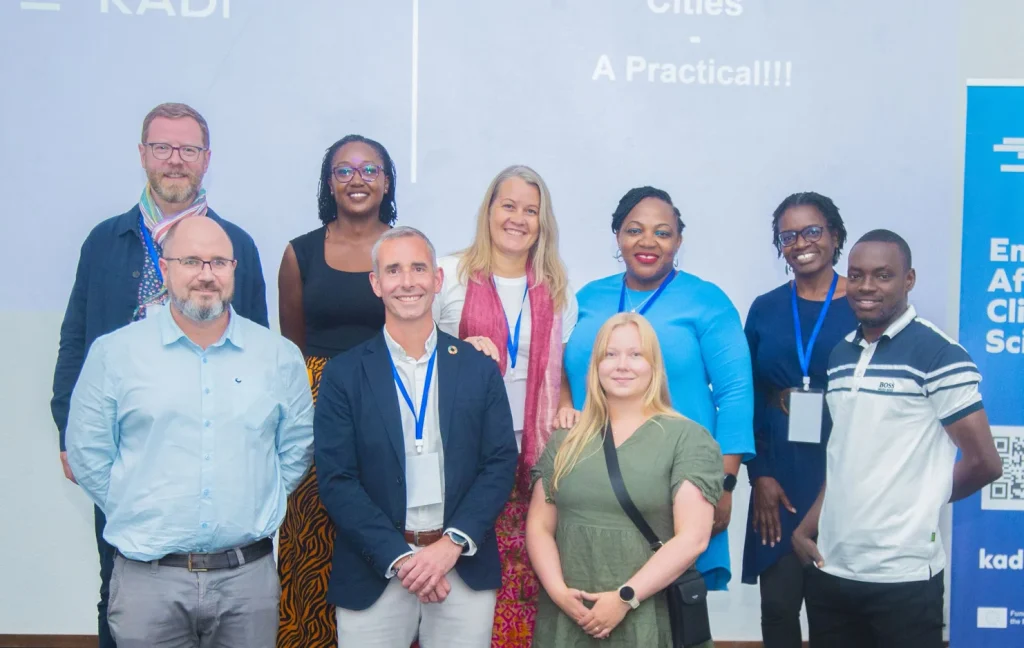
Our people
The people behind the network

Prof. Niina Käyhkö
University of Turku
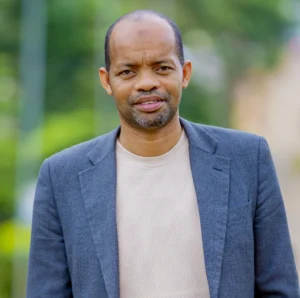
Dr. Abubakar Diwani Bakari
State University of Zanzibar
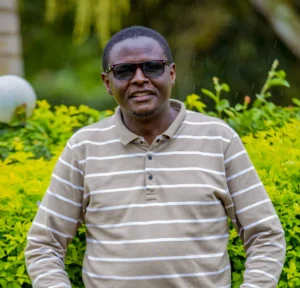
Dr. George Matto
Moshi Co-operative University
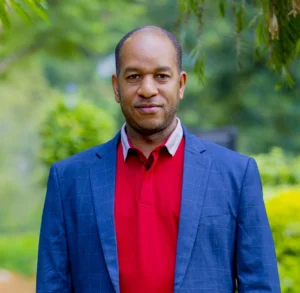
Dr. Ernest Mauya
Sokoine University of Agriculture
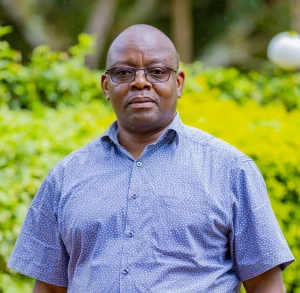
Dr. Zakaria Ngereja
Ardhi University
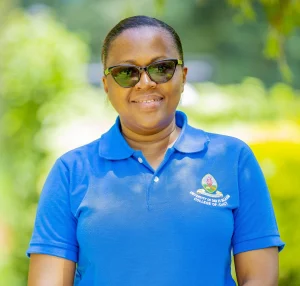
Dr. Mercy Mbise
University of Dar es Salaam
Who we are
A unique partnership for climate resilience
Resilience Academy is a unique partnership of African and international universities and organizations dedicated to developing digital expertise and practical experiences of young people. Together, we leverage digital data and local innovation to strengthen communities and build resilience to climate challenges.
What we stand for
Resilient communities through open data
We envision African cities where young people are equipped with the tools, knowledge and skills to address urban challenges and ensure resilient urban development. Our approach combines geospatial technology, community engagement and open data to create lasting impact.
Through our chapter model, we empower local teams to run programs adapted to their context while sharing a common infrastructure of tools, curricula and community support.
The chapter model
How we scale across countries
Each country chapter operates independently while sharing a global framework — local relevance with global consistency.
Global Framework
Shared tools, curricula, data infrastructure (the CRD on GeoNode) and community of practice. Every chapter builds on proven methodologies.
Local Adaptation
Each chapter adapts programs to local climate challenges, university systems and community needs. Tanzania focuses on floods; others on cyclones or drought.
Cross-Chapter Learning
Chapters share knowledge, datasets and best practices. Students from different countries collaborate on research and joint data challenges.
Our services
Resilience Academy operates through four interconnected services and partnerships
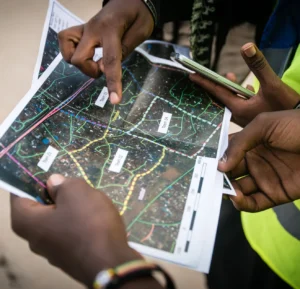
Digital Geospatial Data Collection
Through our industrial placement and internship programs, university students work hand-in-hand with local communities and industry partners to gather and curate valuable geospatial data. This hands-on approach not only enhances students' digital mapping skills but also supports communities in building comprehensive, openly accessible spatial datasets essential for spatial planning, decision-making, and climate risk management.

Climate Risk Database (CRD)
Our open-access Climate Risk Database (CRD) serves as a central repository for geospatial data sets and information collected by students and partners. The CRD enables seamless data sharing, fosters innovation through discovery, and supports informed decision-making by providing reliable, up-to-date spatial data for addressing climate challenges.
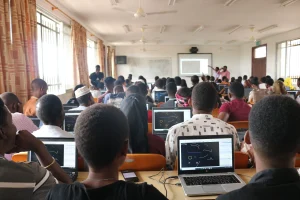
Online Learning Resources
Resilience Academy offers a wide range of online learning opportunities focused on digital data, technological tools, and climate resilience. These resources are designed to equip young people and partners with critical knowledge and practical skills necessary for meaningful contributions to climate adaptation, risk management, and employment in the digital age.
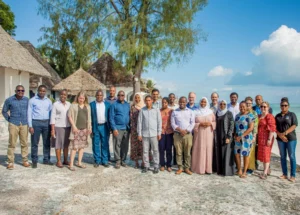
Research and Innovation Lab
RA Innovation Lab provides a collaborative environment where students, researchers, communities, and industry partners develop and test new, locally relevant digital and green solutions. By bringing together diverse expertise and ideas, the lab fosters creativity and the practical application of emerging technologies to solve real-world urban and environmental challenges in Africa.
Our partners
Trusted by leading institutions









Are you interested in joining the movement?
Leave your contact information and respond to our survey to join. Together, we can build resilient communities across Africa.