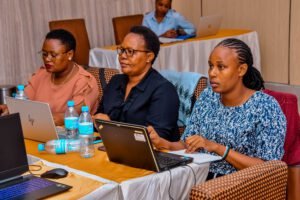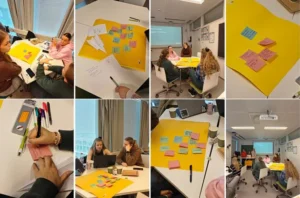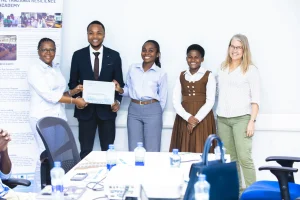
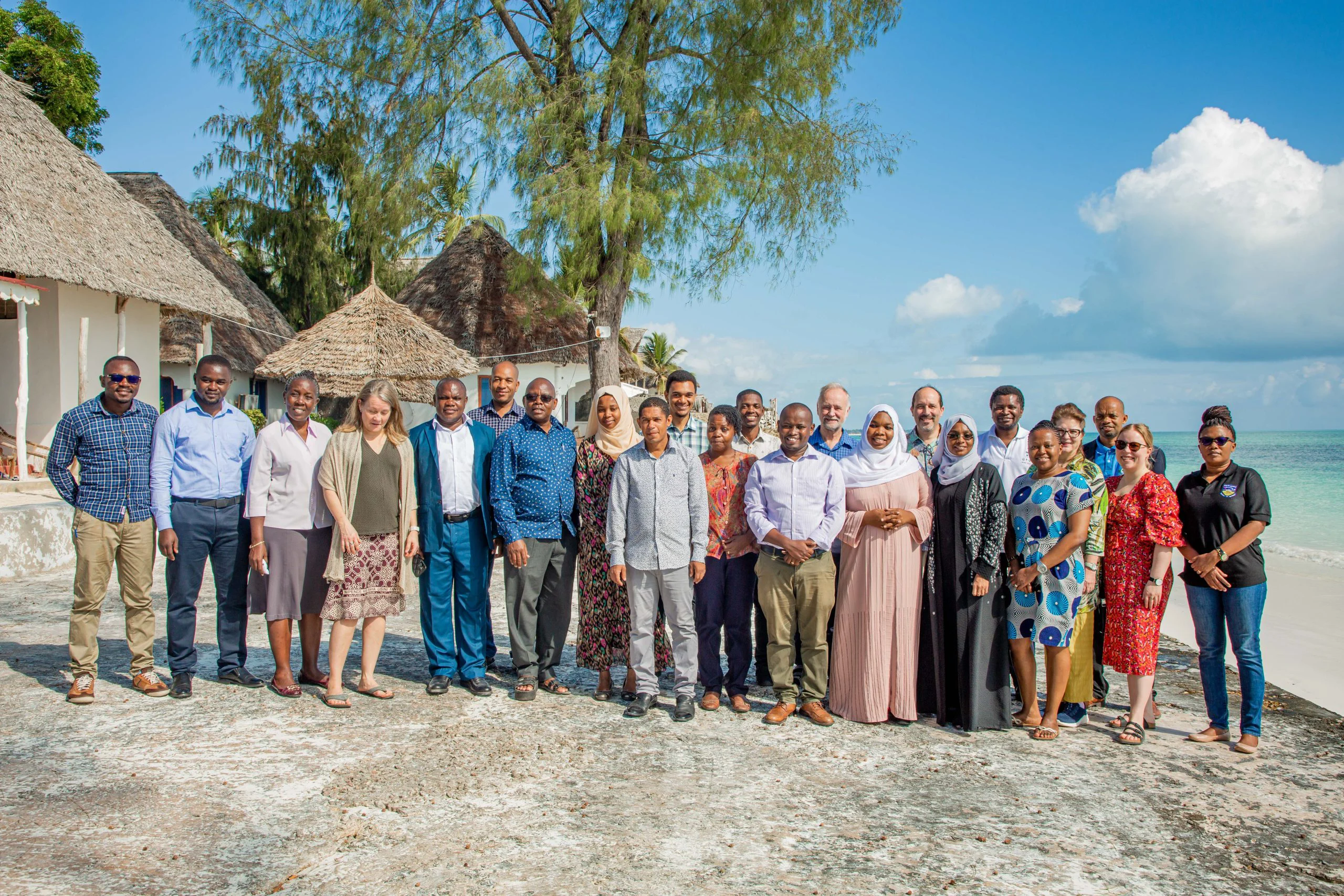
The GeoICT4e family gathered together in Tanzania in November 2022 to discuss the Multi-Competence Learning (MCL) campaigns that were run in five Tanzanian universities during the summer of 2022. The aim of the meeting was to make as many reflections as possible from this year’s MCL campaigns and to start the planning work for next year – the MCL 2.0.
The three-day workshop brought together experts from all eight universities who are a part of the project – Ardhi University, Moshi Co-operative University, Sokoine University of Agriculture, State University of Zanzibar, and University of Dar es Salaam from Tanzania and Novia University of Applied Sciences, Turku University of Applied Sciences, and the University of Turku from Finland all took part in the three-day workshop hosted by the State University of Zanzibar on the beautiful island of Zanzibar.
The first workshop day was reserved for the reflections from the pilot MCL that was launched during the summer of 2022. The day focused on different kinds of feedback that was received during and after MCL – both from students and mentors who were involved in the program. The feedback provided a valuable platform for the experts when trying to identify the pros and cons of the program. What went well already? What could be further developed for next year’s MCL? The whole team wants to express our deepest thanks to all the students and mentors who were filling in the weekly learning reflections and surveys during the MCL this summer. Your feedback has been highly valued.


The second and third days of the workshop took the lookout for the future – the 2023 MCL. Since five different Tanzanian universities are doing the MCL campaigns, it is evitable that all universities have individual needs and schedules when it comes to modifying the original execution plan of the MCL process. On the second workshop day, the experts teamed up with their own university-specific groups to discuss how they would want to change the skeleton schedule of the MCL for next-round implementation. Some universities thought that a 5-week program would better suit their university-specific study plan, compared to the basic 8-week program, while others thought that combining, adding, or modifying the structure of the days of the 8-week program was their go-to choice. Once the teams had identified the needs in their universities and had modified the timetable, the third workshop day focused more on planning the implementation of MCL 2023 for each university. This included for example thinking of the umbrella challenge and the stakeholders and data sources linked to the specific umbrella challenges. This year the umbrella challenge themes were all different and very variable. Themes included for example poor solid waste management in Dar es Salaam, forest loss and degradation at the Kilimanjaro mountain, and different aspects linked to the competing coastal livelihoods in the Zanzibar island. We are eager to find out which umbrella challenges the teams to decide to focus on next year!
All in all, the Zanzibar workshop was very fruitful and needed. Thank you to the whole team for your great contribution, discussions, thoughts, and feelings throughout the three days. Additionally, a special thank you to our lovely host Abubakar from the State University of Zanzibar. The brain-draining work during the three days was way easier and more fun being seated outside in the ocean breeze, right next to the breathtaking Indian Ocean and its warm and glittering waves.
Blog by: Tytti Tengström, University of Turku