NewsNews
News21 July 2022

MULTICOMPETENCE LEARNING PROGRAM AT ARDHI UNIVERSITY FOCUSES ON SOLID WASTE MANAGEMENT CHALLENGE

On the 18th of July 2022, Prof. John Lupala the Deputy Vice Chancellor for Academic, Research, and Consultancy officiated the Multicompetence Learning Challenge (MCL), involving undergraduate students as their Industrial Training for 2022. Multicompetence learning challenge is a learning methodology where students work in multidisciplinary teams to embark on a defined societal challenge. At Ardhi […]

Msilikale Msilanga

Resilience Academy

Photo: Resilience Academy

On the 18th of July 2022, Prof. John Lupala the Deputy Vice Chancellor for Academic, Research, and Consultancy officiated the Multicompetence Learning Challenge (MCL), involving undergraduate students as their Industrial Training for 2022. Multicompetence learning challenge is a learning methodology where students work in multidisciplinary teams to embark on a defined societal challenge. At Ardhi University, student team will ideate digital data and technology solutions to poor solid waste management in Dar es Salaam.
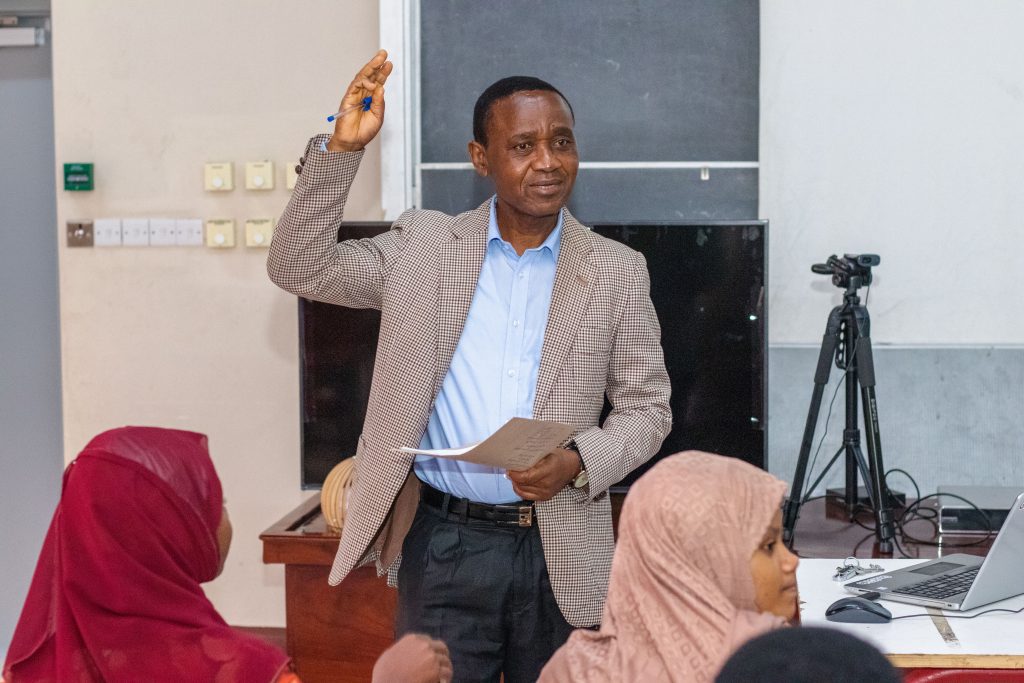
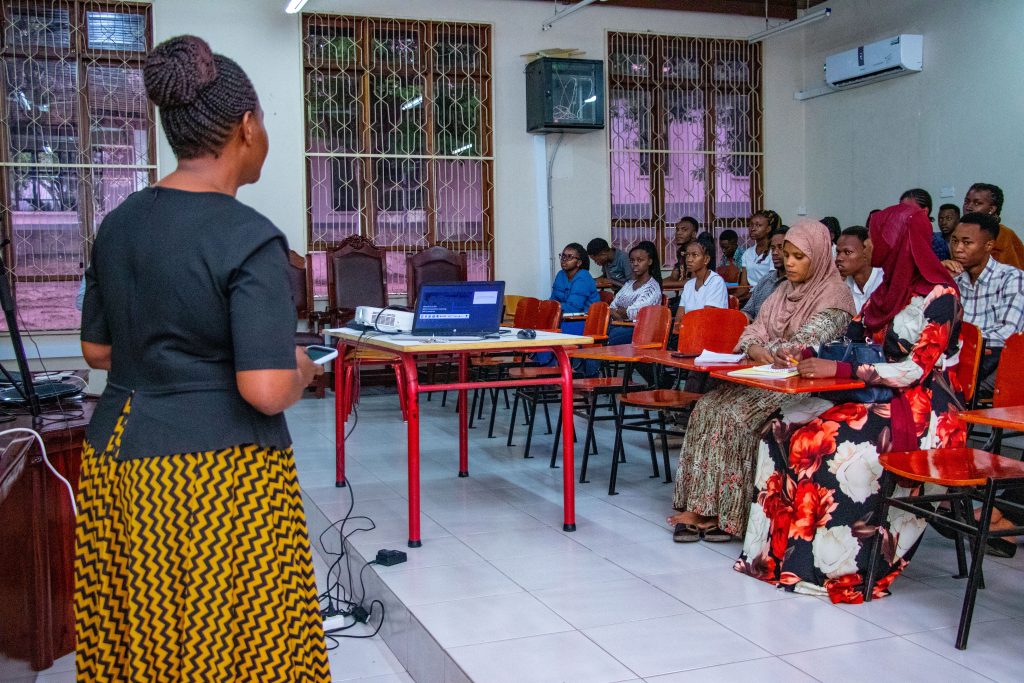
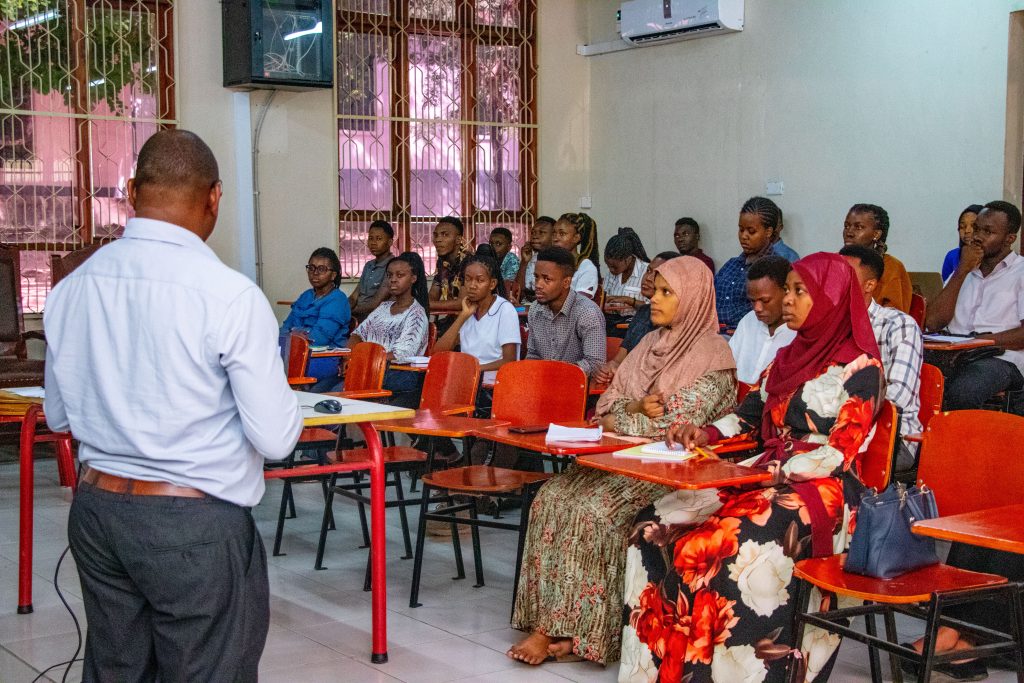
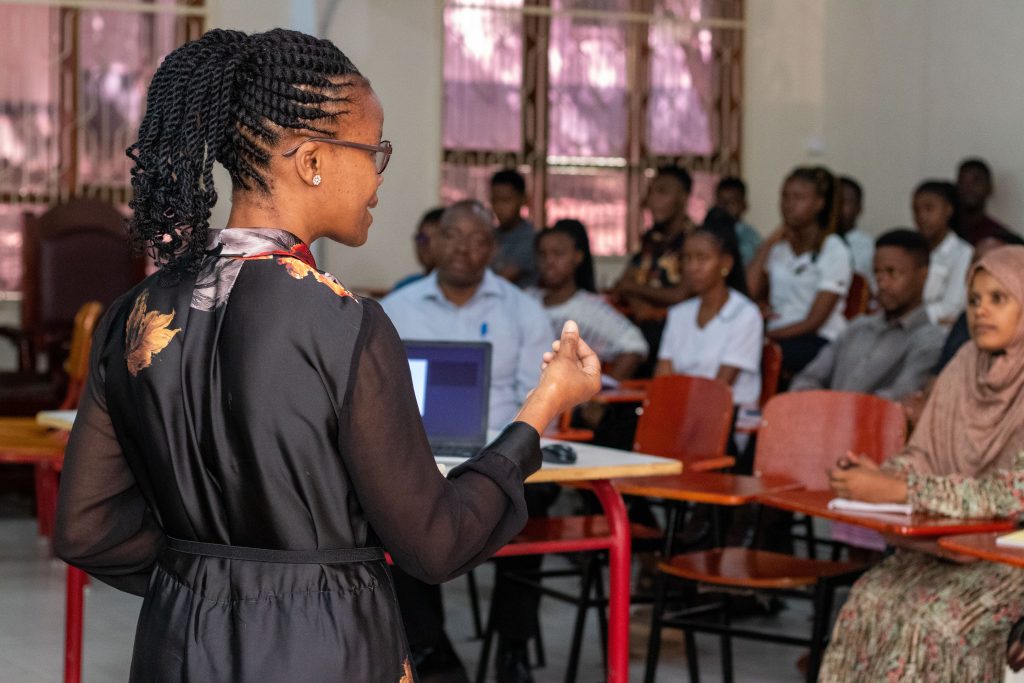
Prof. John Lupala, the DCV-ARV speaking to students during the officiation of the MCL

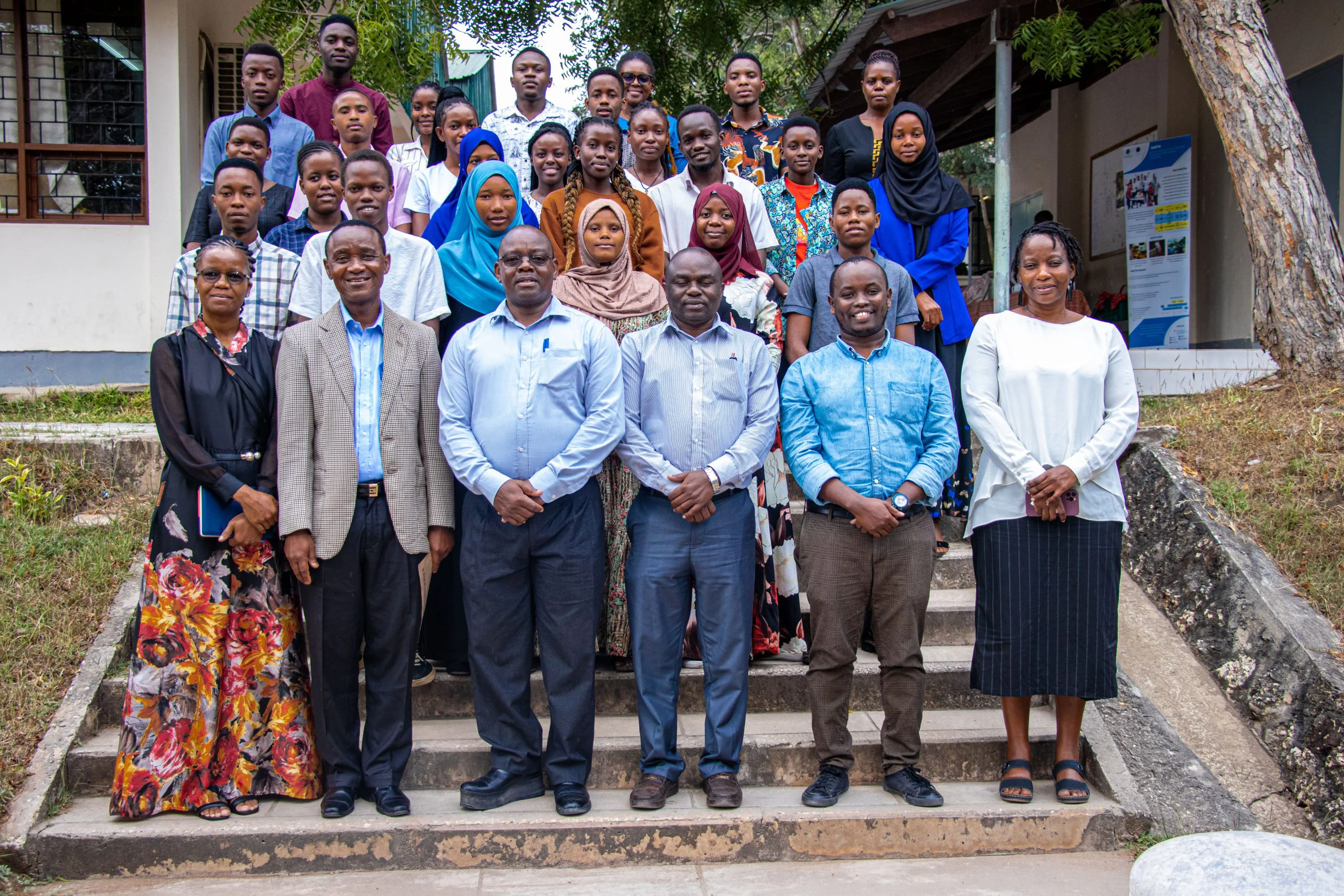
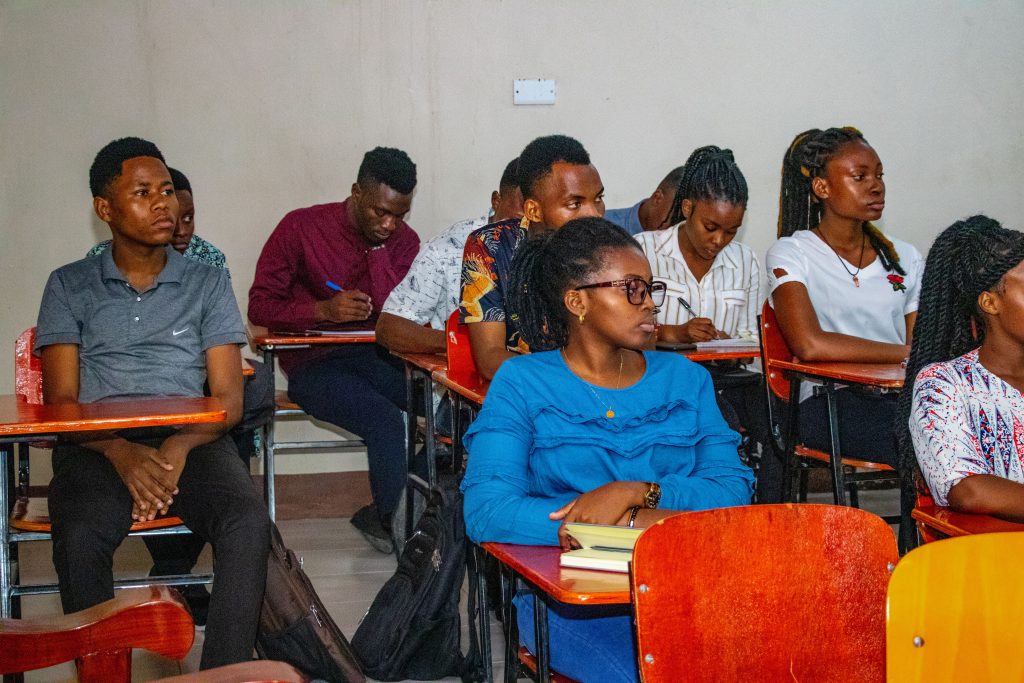
The kick of day was populated with introduction to the MCL approach and engaging students to the challenge ahead. Students were motivated by several speakers, such as Dr. Beatrice Tarimo, the Head of Geospatial Sciences and Technology Department, Dr. Zakaria Ngereja,  ARU GeoICT4e coordinator, Dr. Dorothea Deus, Latifa Rashid Litwe, and Gideon Marandu, and several ARU-GeoICT4e expert team members who play the role of student mentors during the challenge program. Dr. Stalin Mkumbo the Head of the Environmental Engineering Department, and Dr. Given Mhina were invited as stakeholders from the School of Environmental Engineering.

The DVC-ARC congratulated the MCL initiative, which will equip students with digital geospatial skills and other critical skills for future employment. He advised students to be keen on learning new competences. The GeoICT4e coordinator presented on the GeoICT4e project and the MCL challenge where the objectives and learning outcomes were exemplified. The well-structured 8-weeks MCL program will finish with student presentation and pitching of their digital solution prototypes.

Students are expected to use the already collected geospatial data available on the Disaster Risk Database and other openly available digital datasets. Students will largy work as a team independently with mentor support and supervision available from the ARU team and mentors from the industry.
Blog By Zakaria Ngereja, Dorothea Deus, Nelly Babere, Latifa Rashid Litwe, Gideon Marandu
Share

Related articles

News30 Jun 2026

Building climate agency through geospatial and challenge-based learning – reflections of the Shape2Gether project

Authors: Niina Käyhkö, Sanna Mäki, Jukka Käyhkö   The Erasmus+ higher education cooperation project “Shape2Gether” (Shaping Innovations in Education for Sustainable Development: Contextualizing Geosciences, New Technologies, and Serious Games with Climate Change, 2024–2026) brought together seven university partners and one company from across Europe to transform education for sustainable development. The project aimed to integrate […]

Read more →
News, Training1 Apr 2026

Resilience Academy delivers four-day training on geospatial data collection, quality management, and sharing in the Climate Risk Database across two Tanzanian cities.

By Msilikale Msilanga, Amedeus Kimaro and Massoud Hamad In March 2026, the Resilience Academy conducted two rounds of a four-day training on Geospatial Data Collection, Data Quality Management and Sharing in the Climate Risk Database. The first round took place in Tanga from 9 to 12 March, and the second round followed in Mwanza from […]

Read more →
News9 Mar 2026

Shaping Together in Finland – Sharing the Shape2Gether Experiences in Turku

The Shape2Gether -project is about shaping innovations in education for sustainable development: contextualizing geosciences, new technologies, and serious games with climate change. If you wish to explore insights from the three summer schools that were organized during this project, you can find the Norway blog post here, the Malta blog post here, and the Germany […]

Read more →
News10 Jan 2026

85 students and alumni engaged in the 2025 Data Visualization Challenge to develop geovisualization solutions supporting urban water and climate resilience decision-making in Tanga and Mwanza.

By Msilikale Msilanga Young people develop the most robust skills when they engage in hands-on work on real-world problems. Resilience Academy organized another visualization challenge for 2025 as part of ProWA-SASA project, collaborating with partners like GIZ and ProWAS SASA Partners from Mwanza and Tanga cities. This initiative provided university students and recent graduates with […]

Read more →