NewsSpace-time systems skills
Space-time systems skills3 May 2024

UDSM: Coming up with an umbrella challenge

The motivation behind the decision for the two umbrella challenges for two MCL campaigns conducted in 2022 and 2023 – The umbrella challenges needed to touch the society, their solutions are based on spatial data, information and communication technology systems and respective sustainable development goal(s) (SDGs). In addition, for the MCL 2.0 in 2023, an […]

Msilikale Msilanga

Resilience Academy

Photo: Resilience Academy

The motivation behind the decision for the two umbrella challenges for two MCL campaigns conducted in 2022 and 2023 – The umbrella challenges needed to touch the society, their solutions are based on spatial data, information and communication technology systems and respective sustainable development goal(s) (SDGs). In addition, for the MCL 2.0 in 2023, an entrepreneurship and innovation criteria were added.

The MCL concept was not only new but also interesting and challenging in so many ways. Deciding on an umbrella challenge that can be relevant and engaging for students isn’t easy. It took the team a lot of research and deliberation. We can’t imagine anything more involving.

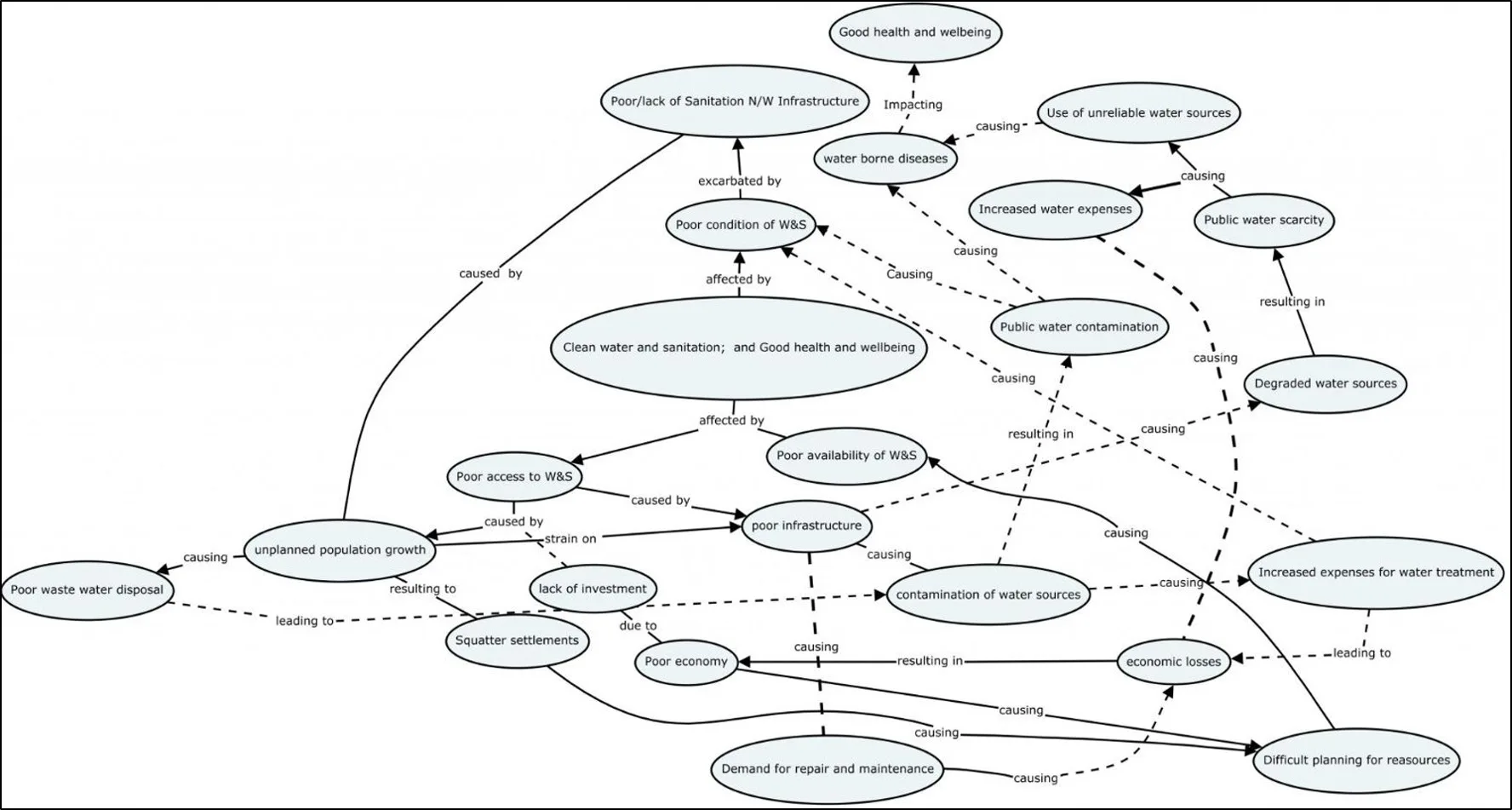
Of course, there was continuous support of the wider GeoICT4e project members, who provided their inputs from time to time through scheduled meetings. In the end, we had two umbrella challenges that, through the selection criteria, had a societal touch in terms of addressing the actual challenges (responding to the SDGs) as well as leading to students applying geospatial and tech skills in addressing them (this was the core of the challenge). Through this process, we arrived at our two umbrella challenges: Poor Conditions, Availability and Accessibility of Water and Sanitation Services in DSM (MCL 1.0, 2022) and Fostering Innovation and Entrepreneurship through Geospatial and ICT Technologies (MCL 2.0, 2023).

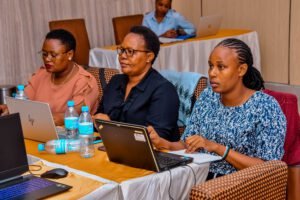
The Multi-Competence Learning (MCL) program is spearheaded by brilliant minds from universities in Tanzania and Finland. The visionary individuals behind this noble initiative have actively interacted with students in their roles as experts. In the case of the University of Dar es Salaam (UDSM), their continuous engagement and assessment of student’s progress stand as the key factor contributing to students’ remarkable achievements in the program.
Share

Related articles

News30 Jun 2026

Building climate agency through geospatial and challenge-based learning – reflections of the Shape2Gether project

Authors: Niina Käyhkö, Sanna Mäki, Jukka Käyhkö   The Erasmus+ higher education cooperation project “Shape2Gether” (Shaping Innovations in Education for Sustainable Development: Contextualizing Geosciences, New Technologies, and Serious Games with Climate Change, 2024–2026) brought together seven university partners and one company from across Europe to transform education for sustainable development. The project aimed to integrate […]

Read more →
News, Training1 Apr 2026

Resilience Academy delivers four-day training on geospatial data collection, quality management, and sharing in the Climate Risk Database across two Tanzanian cities.

By Msilikale Msilanga, Amedeus Kimaro and Massoud Hamad In March 2026, the Resilience Academy conducted two rounds of a four-day training on Geospatial Data Collection, Data Quality Management and Sharing in the Climate Risk Database. The first round took place in Tanga from 9 to 12 March, and the second round followed in Mwanza from […]

Read more →
News9 Mar 2026

Shaping Together in Finland – Sharing the Shape2Gether Experiences in Turku

The Shape2Gether -project is about shaping innovations in education for sustainable development: contextualizing geosciences, new technologies, and serious games with climate change. If you wish to explore insights from the three summer schools that were organized during this project, you can find the Norway blog post here, the Malta blog post here, and the Germany […]

Read more →
News10 Jan 2026

85 students and alumni engaged in the 2025 Data Visualization Challenge to develop geovisualization solutions supporting urban water and climate resilience decision-making in Tanga and Mwanza.

By Msilikale Msilanga Young people develop the most robust skills when they engage in hands-on work on real-world problems. Resilience Academy organized another visualization challenge for 2025 as part of ProWA-SASA project, collaborating with partners like GIZ and ProWAS SASA Partners from Mwanza and Tanga cities. This initiative provided university students and recent graduates with […]

Read more →